


BigCommerce
Agents write your store blog and web pages, and fix the ones already losing clicks. You decide what goes live.

Each local area page used to take us half a day to create and optimize.
With SEOmatic, we can create hundreds of pages in the same time, which helps our clients make the best use of their budget.
It's transformed how we deliver scalable SEO solutions.

Will Hawkins
Marketing Director, Digi-Business UK
Agents read your Search Console data, do the work, and prove what actually moved. You decide what ships.
14-Day Free Trial. $1 today, credited to your first payment.
Agents research what your buyers search for, write the articles and build the collection pages to catch it, and repair the pages already slipping. You approve the work before it reaches your store.

SEOmatic connects to Shopify through the Admin API. Agents rewrite and refresh the pages and articles you already have, and can build out collections, products and metaobjects in bulk when you approve a campaign.
All integrations are included in every plan. Plans start at $99/month. See pricing.
A Shopify store on a paid plan, with store owner or staff admin access. You create a custom app in the Shopify Dev Dashboard and paste its Client ID and Secret. It needs write access to Store content and Products, read access to Themes, and read and write on Publications, Metaobject definitions and Metaobjects.
Visit our blog to learn more about programmatic SEO and how it can help your business generate more traffic, leads, and sales.
SEOmatic connects to your Shopify store through the Admin API, then goes to work on the pages and articles you already have.
Step 1: Create a custom app in the Shopify Dev Dashboard and copy its Client ID and Client Secret.
Step 2: In SEOmatic, go to Connections and select Shopify. Enter your store domain and both credentials. SEOmatic validates them and warns you about any missing permission before you finish.
Step 3: Agents read your Search Console data, find the pages losing clicks they should be winning, and propose the fixes with the reasoning attached, from a new title to a full content refresh.
Step 4: You approve what you want. Approved work is written to your store, logged as a diff you can read, and undone in one click if you change your mind.
Full blog posts from research to published draft: brief, article, featured image, tags and meta, straight into your store blog.
Collection, comparison and buying-guide pages generated in bulk from your catalogue and your real search data.
Rewrites listings, refreshes stale content, adds FAQ blocks and repairs broken links on live pages and articles.
The agent arrives switched off and starts in approval mode. It acts on its own only where you allow it.
A before and after view with the reasoning attached, so you see what changed and why.
Any change rolls back to its exact previous value. Low-risk edits that cost you traffic revert on their own.
Collections built from product rules: tag, price, type, vendor or any mix, so they keep filling as your catalogue grows.
Product pages with descriptions, images, vendor, type and tags, plus any metaobject definition in your store.
Agents read your Search Console, spot cannibalising pages and near-miss queries, and decide what to do next.
Agents find what your buyers search for, draft the pages to catch it, and refresh what has gone stale. Each change waits for your approval.
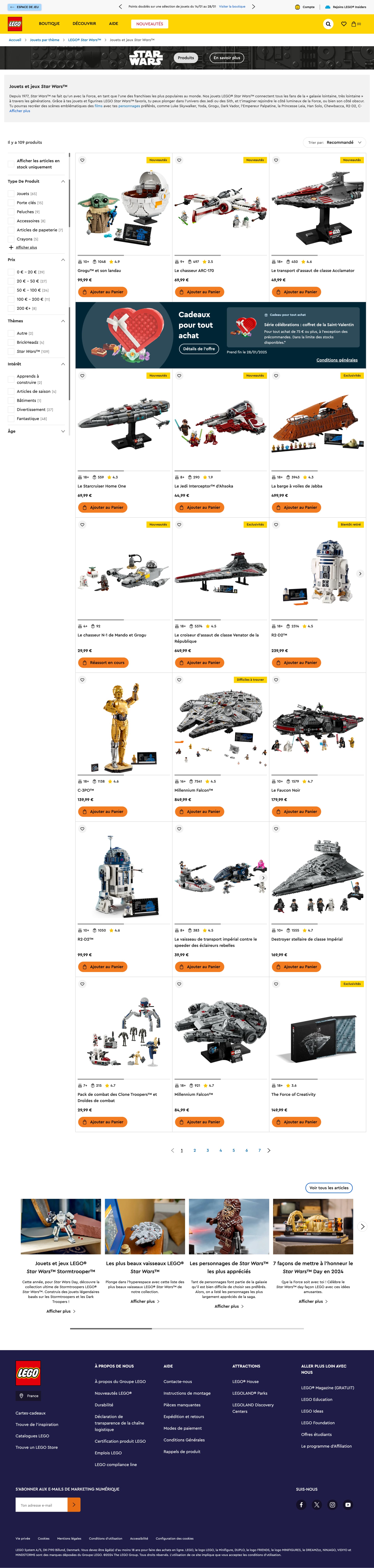
Shoppers search for categories you never built a page for. Agents check the demand against your real Search Console queries, then create the collections to match, with product rules that keep them filled automatically as your catalogue changes.
The money is in the specific searches: a brand, a size, a use case, a price bracket. Agents find the ones you already rank near and build the landing pages to capture them, instead of leaving that traffic to a marketplace.
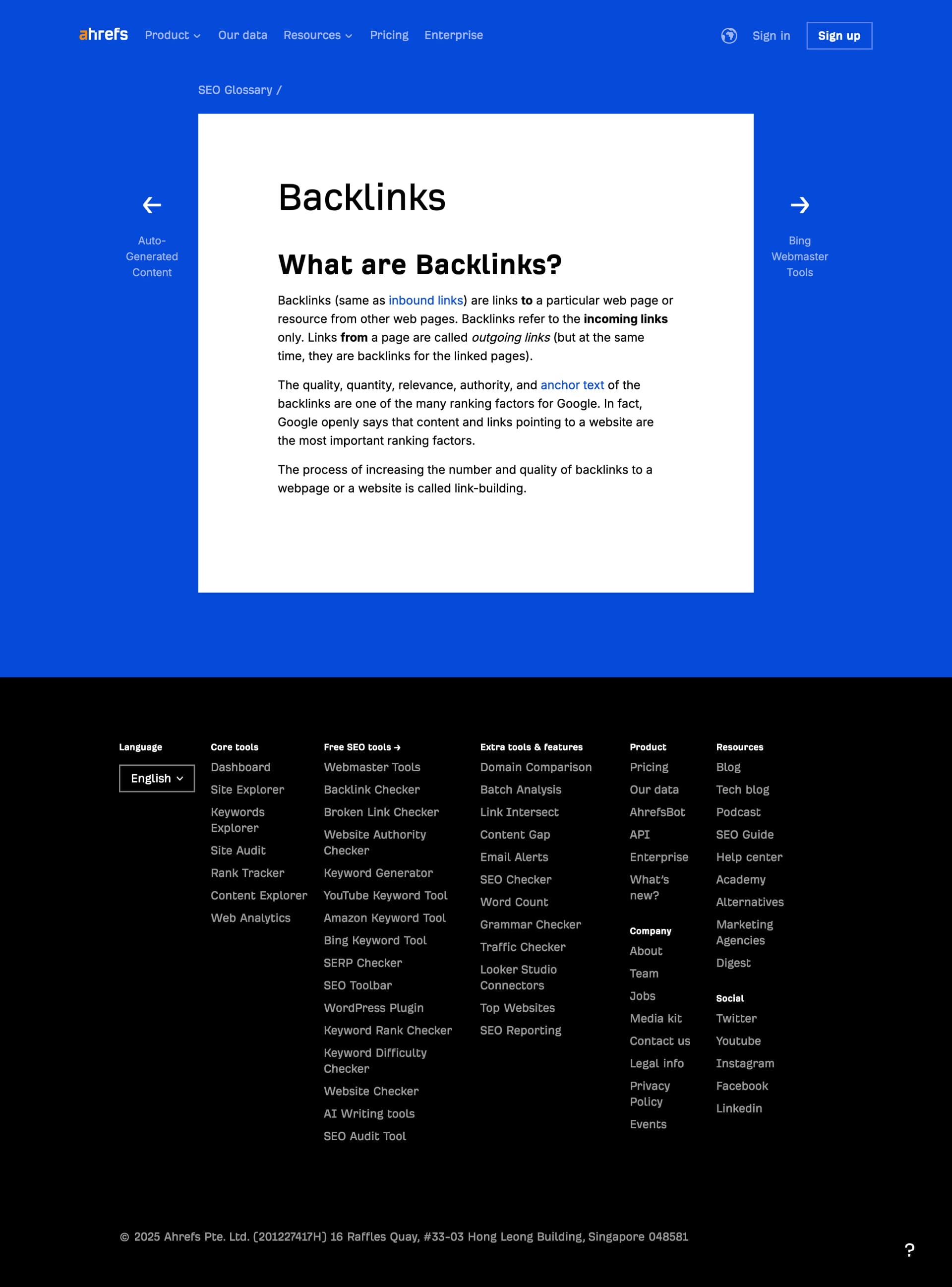
Buying guides and glossaries reach people before they are ready to buy, which is where most stores are invisible. Agents build them into your Shopify blog, then keep watching how they perform and propose rewrites when they slip.
What can agents actually do on my store?
Two kinds of work. They create: full blog articles from research through to a finished draft with images and meta, plus collection pages, landing pages, product pages and metaobjects generated in bulk from your catalogue and your real search data. And they maintain: reading your Search Console to find pages slipping, then rewriting the listing, refreshing stale content, adding the FAQ block, fixing the headings and repairing broken links on the pages and articles you already have.
Where does it write the changes?
Into Shopify itself, through the Admin API. Search titles and descriptions go to the same SEO fields you see under Search engine listing in the admin, and content changes go to the article or page body. SEOmatic never edits your theme. The one exception is yours to make: product noindex and structured data need a short snippet that you paste into your theme once. If a write does not land, SEOmatic tells you it was dropped rather than reporting a success that never happened.
Can agents set canonical tags, noindex or schema markup?
Noindex and structured data, yes; canonical tags, no. On pages and blog posts, agents set noindex through Shopify's own search-engine visibility setting and confirm it took. Products are different: that same Shopify setting would also hide the product from your store's own search, so agents never use it there. For product noindex and for structured data on products, collections, pages and blog posts, agents store the value on the item and give you a short snippet to add to your theme once, one for noindex and one for structured data, shown right in the task. Until it is in place, a saved value is rechecked for up to 30 days: it counts as live, and can be undone, once your page shows it, and it is removed again if it never does. From then on those changes go live and are each checked on the live page, undoing one really removes it, and your theme's own structured data is left alone. Canonical tags are managed by Shopify itself, so when a fix needs one, the agent writes the exact change and hands it to you rather than pretending it shipped.
Will it duplicate pages or products I already have?
No. SEOmatic remembers what it published and updates that same item, matching on handle as a fallback. If it finds an existing item at the handle it wants, it takes a snapshot of the current content first, so a takeover can be undone rather than silently overwriting your work.
Does it work with my theme?
Yes. Everything is written through Shopify's Admin API, so your theme decides how it all renders. Agents change the content and the search listing, never your templates, liquid or design. The only theme change is the optional snippet you paste yourself.
What stops it doing the things other AI SEO tools get accused of?
Those complaints are specific, so the answers are too. It will not quietly replace listings you were happy with: you see the before and after and approve it. It will not set your products to noindex behind your back: a noindex is a change you approve like any other, and on products it never uses the Shopify setting that would also hide them from your store's search. It will not wipe your metadata if you disconnect: nothing is deleted. And it will not claw back its work if you cancel, because everything it wrote is ordinary content in your own store.
What if the agent makes a change I do not like?
Every edit stores the previous values before it writes, so a change goes back to exactly what it was in one click. The agent also starts in approval mode, so by default you see each change before it is applied, and pages you mark as protected keep waiting for your yes.
What happens to the work if I cancel?
It stays yours. Agents publish into your own Shopify store, so the pages, articles and edits are simply part of it. Nothing reverts or disappears if you stop paying.
See what the agent would work on first. We ask AI search the questions your buyers ask, then show where you show up, who shows up instead, and what to fix first.
Free. No signup. Takes about a minute.
See what agents can do on the other platforms SEOmatic connects to.
Agents write your store blog and web pages, and fix the ones already losing clicks. You decide what goes live.

Agents fix titles, meta, content and schema on your live WordPress site. You stay in control. Every change to an existing page keeps a copy of the original, and one click puts it back.

Agents work through your CMS collections item by item, fixing the SEO nobody has time to maintain. You stay in control.

Agents write and refresh your posts, and set the canonical tags and schema most platforms will not let them touch. You decide what goes live.

Agents write and refresh your posts and pages, connected in one click with your Google account. You decide what goes live.

Agents write and refresh your Wix blog, and fix the meta on posts already published. You stay in control of what ships.